

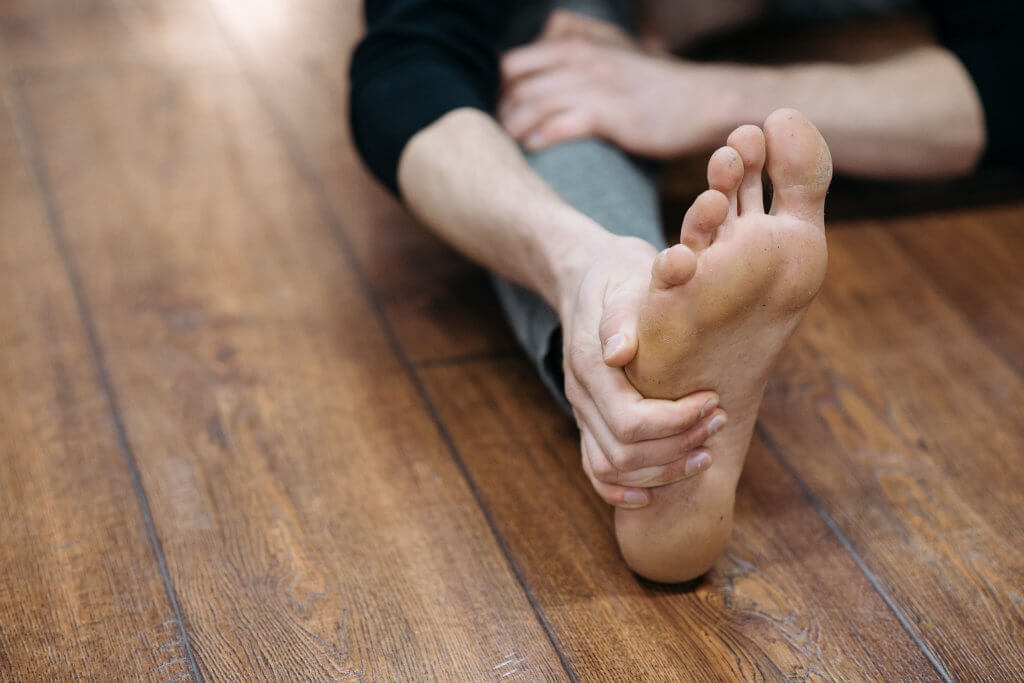
Pins and needles in your feet. A burning feeling that gets worse at night. Numb toes that make you feel unsteady. If this sounds familiar, you’ve probably wondered whether there is anything to try besides a daily pill.
The good news is that there are several non-drug approaches that people use to manage neuropathy symptoms and protect their nerves. This guide explains what neuropathy is, why finding the cause comes first, and seven drug-free options to talk about with your healthcare team.
This article is general information, not medical advice. Please don’t stop or change any prescribed medication without talking to the doctor who prescribed it.
What Is Neuropathy?
Peripheral neuropathy is damage to the nerves outside your brain and spinal cord. These nerves carry signals between your brain and the rest of your body, so when they’re damaged, the messages get scrambled. According to the National Institute of Neurological Disorders and Stroke (NINDS), more than 100 types of peripheral neuropathy have been identified, each with its own symptoms and outlook.
Common symptoms include:
- Numbness or tingling, often starting in the toes and feet
- Burning, stabbing, or electric-shock-type pain
- Pain that is worse at night and disrupts sleep
- Sensitivity to touch, or a loss of the ability to feel heat and cold
- Weakness, poor balance, or clumsiness when walking
Symptoms can range from mild to disabling, and they can build over days, weeks, or years.
Why Finding the Cause Comes First
Neuropathy is a symptom, not a single disease, so the best plan depends on what is behind it. Common causes include:
- Diabetes or high blood sugar (one of the most common causes)
- Nutritional problems, such as a vitamin B12 deficiency
- Physical injury or pressure on a nerve, including injuries from accidents
- Pinched nerves in the spine, such as a bulging or herniated disc
- Alcohol, toxins, or certain medications, including some chemotherapy drugs
- Autoimmune conditions and infections
Some causes can be treated, and treating them early can slow or stop further damage. That’s why a proper evaluation matters. If you haven’t had your blood sugar and vitamin levels checked, ask your primary care provider about it.
7 Drug-Free Options for Neuropathy Relief
1. Treat the Underlying Cause
This is the most important step. If your neuropathy is linked to blood sugar, a nutrient deficiency, or a medication, addressing that can make a bigger difference than any symptom-focused therapy. Work with your medical doctor on a plan, and use the options below as part of your overall care.
2. Class IV Laser Therapy
Class IV laser therapy uses focused light energy that is delivered painlessly to the skin and the tissue beneath it. Many patients describe the sensation as gentle warmth. It’s used to help calm pain and support the body’s natural healing processes, and it’s often chosen because it doesn’t involve drugs, injections, or downtime.
Research on laser therapy for neuropathy is still developing, and responses vary from person to person. Your provider can explain what to realistically expect for your situation. You can read more about Class IV laser therapy at Thrive Restoration Clinic.
3. Chiropractic Care
Sometimes nerve symptoms in the legs, feet, arms, or hands are linked to irritation or pressure near the spine. A chiropractor can check how your spine and joints are moving, look for contributing factors, and use gentle, targeted adjustments when appropriate. For patients who prefer or need a softer approach, low-force techniques are available.
Chiropractic care isn’t a cure for every type of neuropathy, but it can be a helpful part of a broader plan, especially when posture, spinal alignment, or nerve irritation play a role. Learn more about our chiropractic care.
4. Spinal Decompression
If a disc problem is pressing on a spinal nerve, you can get symptoms that look a lot like neuropathy: tingling, numbness, or pain traveling down an arm or leg. Non-surgical spinal decompression gently stretches the spine to take pressure off the discs and nerves. It’s an option for conditions like bulging or herniated discs and sciatica.
This approach is for nerve symptoms that start in the spine, so an exam is needed to find out whether it fits your case. See how our disc decompression program works.
5. Regular, Gentle Movement
Exercise is one of the most widely recommended habits for people with neuropathy. Regular movement supports circulation, helps with blood sugar control, and can improve strength and balance. Good options include:
- Walking at a comfortable pace
- Swimming or water exercise (easy on sore feet)
- Stationary cycling
- Balance and gentle strength exercises
Start slowly, wear supportive shoes, and check with your provider before beginning a new routine, especially if you’ve lost feeling in your feet.
6. Nutrition and Lifestyle Habits
What you do every day can affect your nerves:
- Keep blood sugar in a healthy range if you have diabetes or prediabetes
- Limit alcohol, which can damage nerves
- Don’t smoke, since smoking affects circulation
- Eat a balanced diet, and ask your doctor to check for deficiencies such as B12
- Be careful with supplements. High doses of vitamin B6 can actually cause neuropathy, so talk to your doctor before taking any
7. Foot Care and Everyday Safety
When you can’t feel your feet well, small problems can turn into big ones. Protect yourself with a few simple habits:
- Check your feet every day for cuts, blisters, redness, or sores
- Wear well-fitting shoes and soft, seamless socks
- Avoid walking barefoot, even at home
- Test bath water with your elbow or a thermometer before stepping in
- Keep your home well lit and clear of tripping hazards, especially at night
When to See a Doctor Right Away
Get medical care promptly if you notice:
- Sudden weakness or numbness, or symptoms that spread quickly
- Numbness or weakness on one side of the body, trouble speaking, or a severe headache (call 911)
- Loss of control of your bladder or bowels
- A foot sore, wound, or infection that isn’t healing
- Rapidly worsening balance or frequent falls
What to Expect at Thrive Restoration Clinic
At our Maitland clinic, Dr. Uche Ukeagu begins with a thorough conversation and exam. He’ll ask about your symptoms, when they started, what makes them better or worse, and your health history. If something needs a closer look, he can refer you for imaging or to another provider.
From there, you’ll get a care plan built around your needs, which may include chiropractic care, laser therapy, decompression, or a combination. Our Neuropathy Relief Program is designed for people who want a drug-free option and a clear plan they can understand.
No clinic can promise a specific result, and neuropathy responds differently from person to person. What we can promise is an honest explanation of what we find and a plan that fits you. You can read more about Dr. U and what makes our approach different, or visit our new patients page to see what your first visit looks like.
Frequently Asked Questions
Can neuropathy be reversed?
It depends on the cause and how early it’s addressed. Some forms, such as those linked to a vitamin deficiency or a medication, can improve when the cause is treated. Others are long-term and are managed rather than cured. Getting evaluated early gives you the best chance of protecting your nerves.
Can a chiropractor help with neuropathy?
A chiropractor can evaluate whether the spine or nearby structures are contributing to your symptoms, and can offer gentle care, laser therapy, or decompression as part of a plan. A chiropractor works alongside your medical doctor, who can diagnose and treat underlying causes like diabetes.
Is Class IV laser therapy painful?
Most patients describe it as comfortable, with a gentle warming feeling. Sessions are typically short.
Should I stop my neuropathy medication if I try these options?
No. Never stop or change prescribed medication on your own. Talk to your prescribing doctor first. Many people use drug-free options alongside their medical care.
How do I know if my tingling is neuropathy or a pinched nerve?
They can feel similar. Tingling in both feet that starts at the toes often points to peripheral neuropathy, while symptoms that travel down one arm or leg may point to a pinched nerve near the spine. An exam is the best way to tell.
Do you accept insurance?
We are in-network with Florida Blue and Cigna, and we offer other financing options. Call our office and the team can answer your coverage questions.
Tired of Tingling, Numbness, and Burning? Let’s Talk
You don’t have to just live with nerve symptoms. A simple conversation and an exam can help you understand what’s going on and which options make sense for you.
Book an appointment or call (407) 887-6568. Same-day appointments are typically available.
Thrive Restoration Clinic100 E Sybelia Ave, Suite 217, Maitland, FL 32751
This post is for general educational purposes only and does not replace medical advice, diagnosis, or treatment. If you think you’re having a medical emergency, call 911.